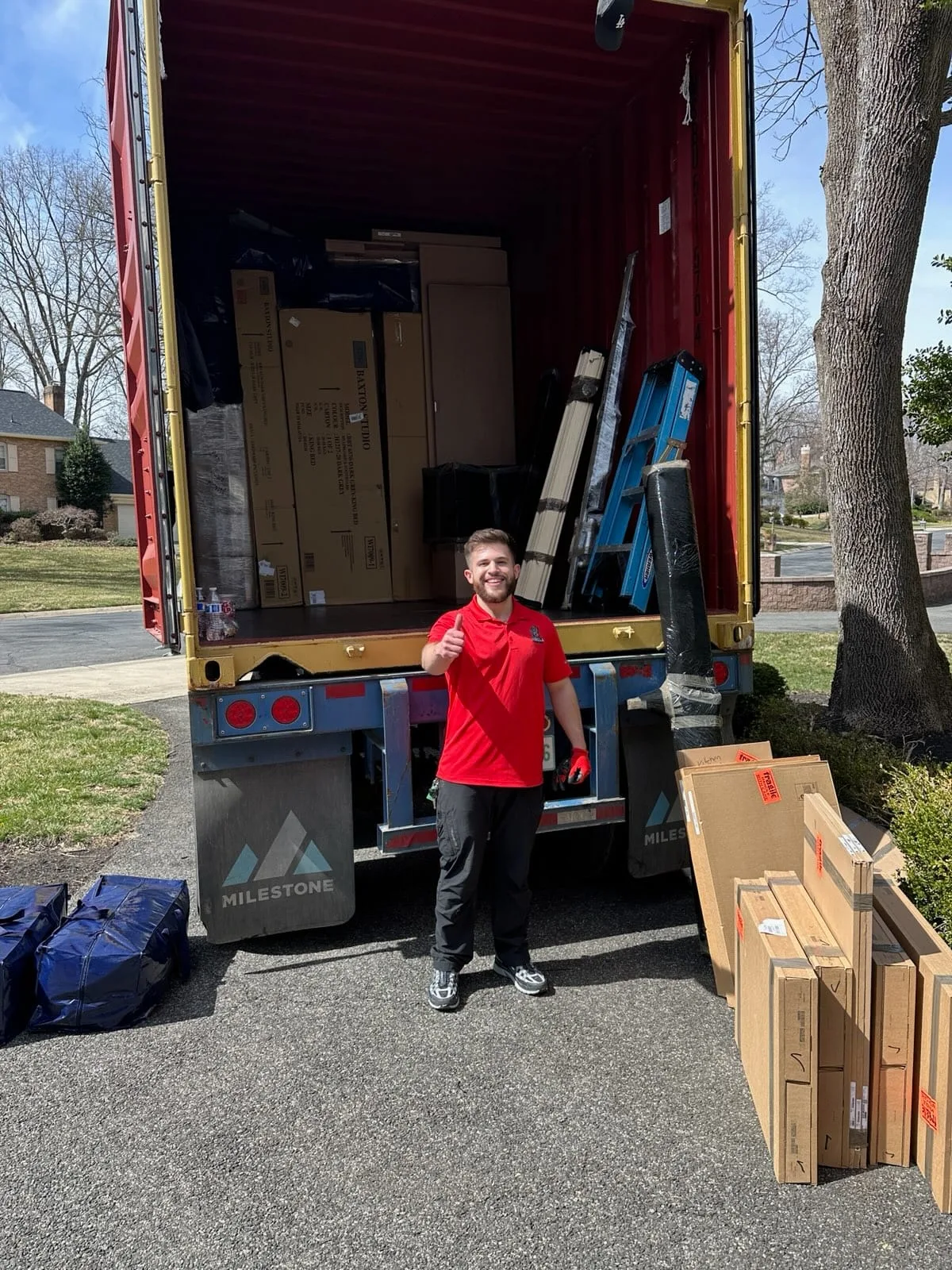

Moving your home from Illinois
Gorilla Haulers moves households from Illinois to homes in other states, with furniture protection, loading, transportation and unloading. Packing and storage can be arranged as part of your moving plan.
An estimated 58% of housing units in Illinois are detached houses. For a house move, include the garage, basement, patio and spare rooms when counting furniture and boxes. 2020–2024 Census housing estimates.
Plan your packing · What to expect on moving day · Storage between homes
Moving out of Illinois
Our pickup coverage includes Chicago, Naperville, Aurora, Rockford, and Springfield. Moving from another community? Give us the actual ZIP code so we can review pickup availability. Delivery is available nationwide, with arrangements confirmed for your destination.
Distinguish Chicago building access from other Illinois pickups
Our Illinois operating location is in Chicago at 4401 W Cortland St. Statewide interstate pickup requests are reviewed by address; a Chicago high-rise and a Naperville, Rockford, or Springfield home should not share an assumed loading plan.
For a Chicago building, provide freight-elevator and loading-dock reservations together with any management paperwork. For a house pickup, show where the truck can approach and whether furniture is leaving a basement or another entrance. An address outside Chicago needs a separate scheduling review even when the destination state is the same.
Tools for your Illinois move
Review estimate factors, measure your inventory, and prepare parking and building paperwork.
On our daily route
Our trucks run between our Chicago, New Jersey, and DC-area bases every day, and down the East Coast to Florida. Most deliveries along this route arrive in under a week.
Your moving estimate, protection and payment
A move entirely within Illinois and a move to another state can have different estimate, licensing and protection requirements.
Interstate moving: estimates, inventory changes and shipment protection.
Illinois: rules for a move entirely within Illinois
ICC license and filed rates
In-state household movers need Illinois Commerce Commission authority and a filed tariff. Check the applicable tariff pages, including crew size, packing materials, travel time and minimum charges, rather than comparing hourly rates alone.
Time, weight and changes to the inventory
Illinois’ consumer guide describes hourly pricing for shorter moves and moves within the seven named Chicago-area counties, and weight/distance pricing for longer moves outside those counties. Its estimates are nonbinding: added furniture or packing can change actual tariff charges. The basic released-value option is 60 cents per pound per article, not replacement-value insurance.
What is due at delivery
If the tariff bill exceeds the estimate by more than 10%, Illinois allows the customer to defer the portion above 110% for 30 days. This is a payment-timing protection, not a cap on the final bill. Get the estimate before the move begins.
Sources reviewed October 6, 2026. State licensing guidance describes the applicable requirements; local-service availability is confirmed separately with your pickup and delivery ZIP codes.
Where people moved from Illinois
Census Bureau 2024 estimates of people who moved from Illinois to the destinations in our route guides.
| New residence | People | Margin of error |
|---|---|---|
| Florida | 24,410 | ±4,381 |
| Texas | 23,509 | ±4,417 |
| California | 19,953 | ±5,236 |
| New York | 7,781 | ±1,903 |
| New Jersey | 2,836 | ±1,283 |
| Maryland | 653 | ±427 |
Source: U.S. Census Bureau, 2024 state-to-state migration flows (Excel). Counts people, not households; 90% margins of error.
Local housing at a glance
Illinois
The ACS estimates 5,457,452 housing units here, including 3,178,371 detached houses and 629,864 units in buildings with at least 20 units. Of 5,036,449 occupied homes, 1,657,539 are renter-occupied.
- Detached houses
- 58% of housing units
- Attached single-unit homes
- 6% of housing units
- Buildings with 20+ units
- 12% of housing units
- Renter-occupied homes
- 33% of occupied homes
Source: U.S. Census Bureau, 2020-2024 ACS 5-year estimates, table B25024; B25003 (tenure). Rounded survey estimates.