Your move from Rhode Island to North Carolina
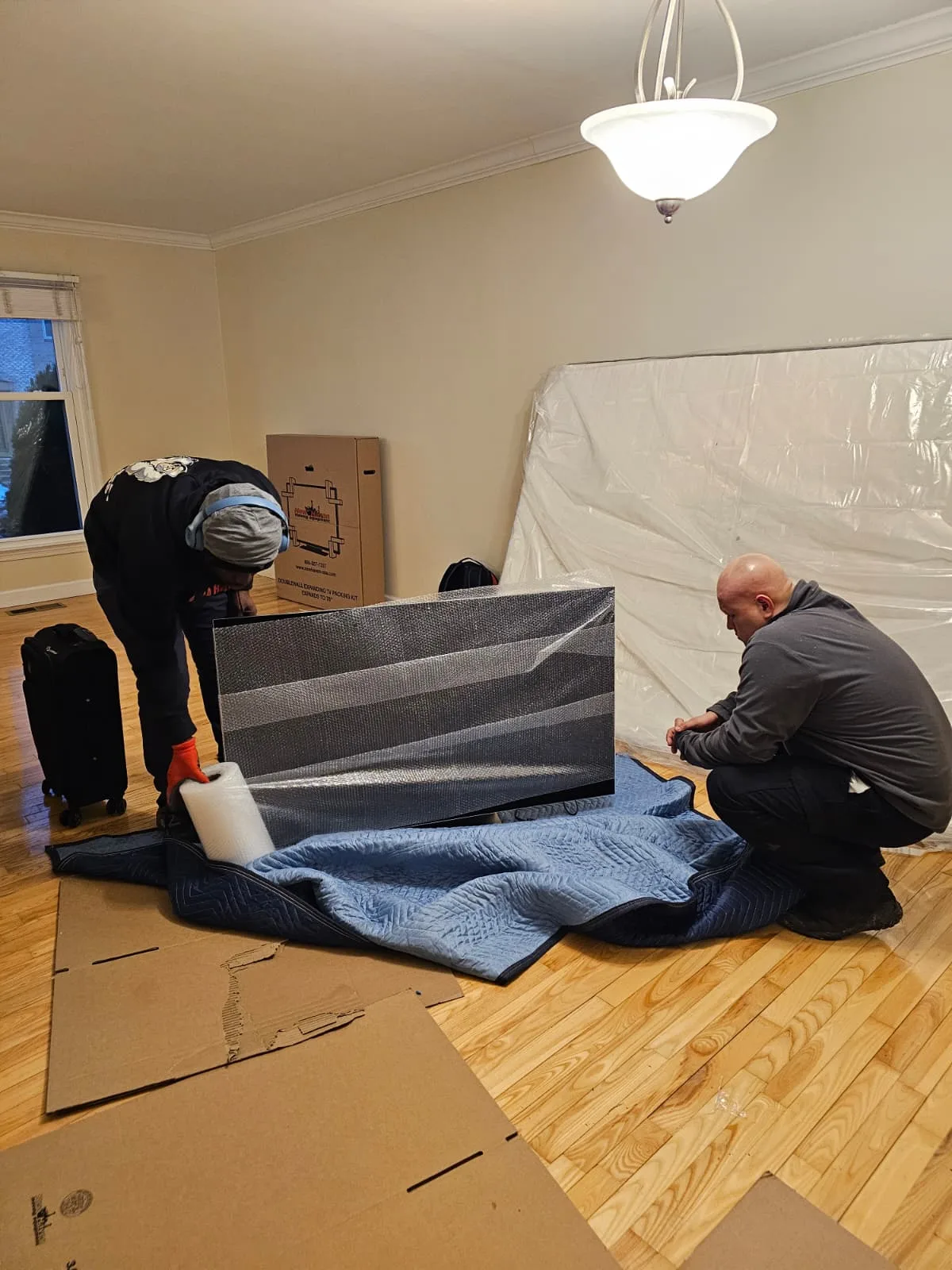
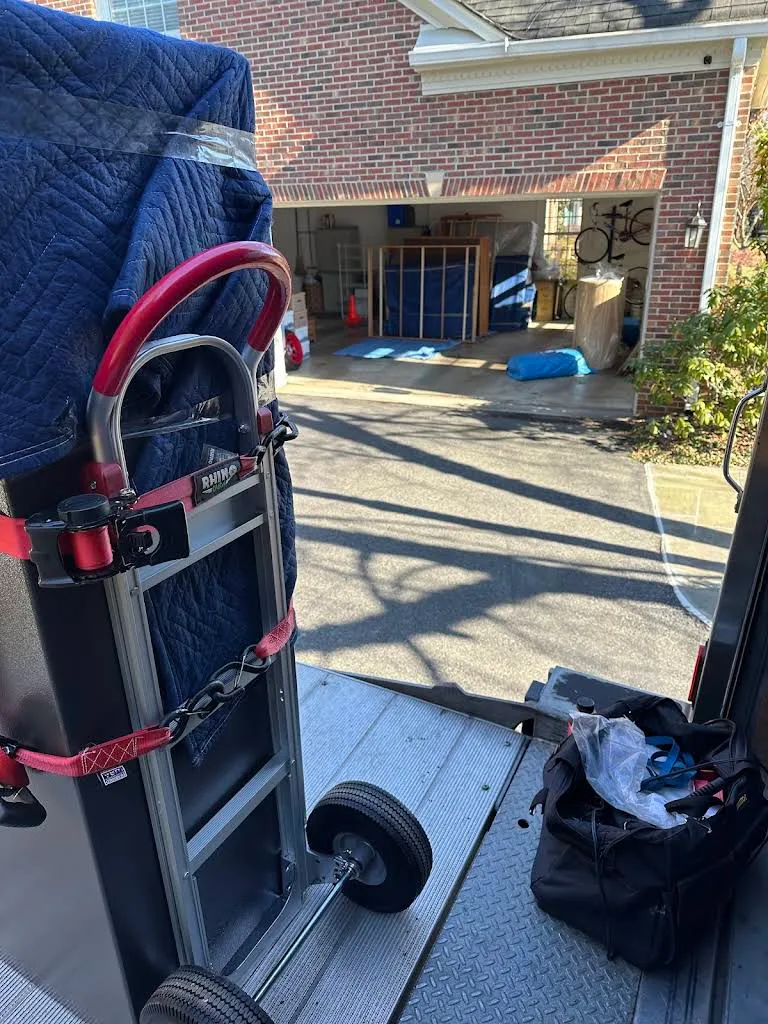
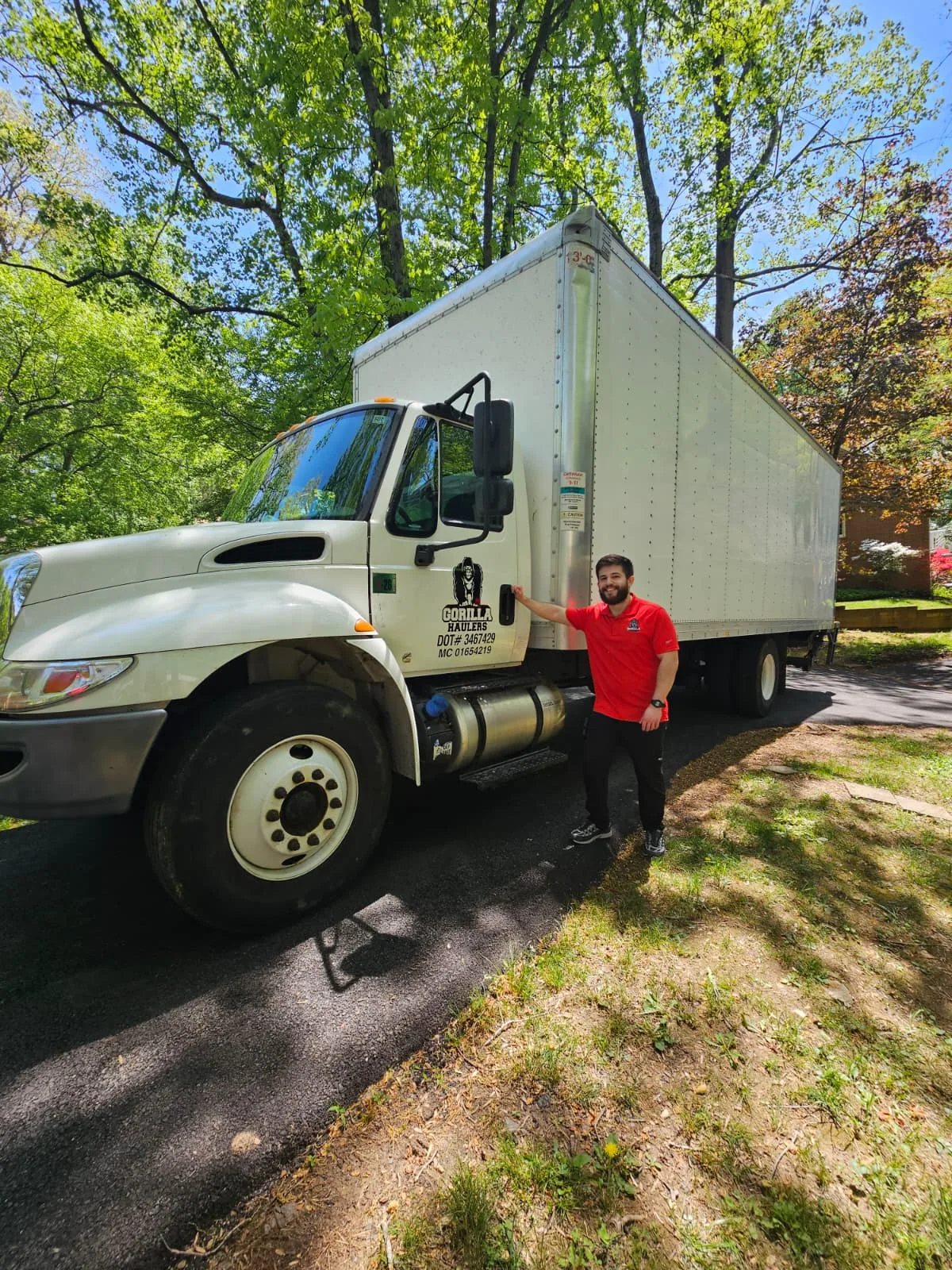
Gorilla Haulers handles furniture protection, loading, transportation and unloading for your Rhode Island to North Carolina move. Packing and storage can be arranged as part of your moving plan.
An estimated 56% of housing units in Rhode Island are detached houses. For a house move, include the garage, basement, patio and spare rooms when counting furniture and boxes. 2020–2024 Census housing estimates.
Plan your packing · What to expect on moving day · Storage between homes
Planning your Rhode Island to North Carolina move
A storage facility may close before your home is vacated. Send those access hours and the North Carolina key date so the team can review a practical sequence of appointments.
Cost to move from Rhode Island to North Carolina
Our rate to North Carolina: $4.25 per cubic foot, $1,480 minimum, plus a 13% fuel surcharge.
Example prices by shipment size, including the 13% fuel surcharge. Your written estimate is based on the cubic feet of your actual inventory.
| Moving route | Small shipment up to 600 cu. ft. approx. 2,000–3,500 lb | Medium shipment 601–1,200 cu. ft. approx. 3,500–7,000 lb | Large shipment 1,201+ cu. ft. approx. 7,000+ lb | Estimate |
|---|---|---|---|---|
| Rhode Island to North Carolina | $1,672–$2,882Studio, 1-bedroom, or lighter shipment | $2,886–$5,763Typical 2–3 bedroom home | From $5,768Larger home or fuller inventory | Request pricing for Rhode Island to North Carolina |
Examples, not a quote. They assume one pickup and one delivery. Packing, storage after the free period, and some access situations can add to the total. See what's included and what costs extra.
Measure your shipment · Check estimate factors and add-ons · Prepare building paperwork
Request my free estimateFrom a customer who moved to North Carolina
“Wilson and team at Gorilla Haulers did an amazing job moving us from DC to North Carolina. They had us out of our apartment in 4 hours and fully moved into our house multiple states away the next day by 2 pm. All our stuff made it safely and securely, the team was incredibly efficient, professional and polite for a very reasonable price.”
Estimates, protection and state rules
Before you book, review how interstate estimates, added items and shipment protection work, and the rules for a move entirely within Rhode Island.
Interstate moving: estimates, inventory changes and shipment protection · Rhode Island in-state moving rules
Review the two ends of your move
| Location | Access to review |
|---|---|
| Rhode Island pickup | A short drive within Rhode Island can still be the starting point of a much longer interstate move. Share the destination ZIP code as well as pickup details, including upper-floor furniture and any separate storage location. |
| North Carolina delivery | Confirm when you can receive belongings at your North Carolina home. If you are coordinating a closing or waiting for keys, share that uncertainty before pickup. For an apartment, ask about the loading entrance and elevator availability. |
Compare the housing at pickup and delivery
Rhode Island
- Detached houses
- 56% of housing units
- Attached single-unit homes
- 4% of housing units
- Buildings with 20+ units
- 9% of housing units
- Renter-occupied homes
- 36% of occupied homes
Source: U.S. Census Bureau, 2020-2024 ACS 5-year estimates, table B25024; B25003 (tenure). Rounded survey estimates.
North Carolina
- Detached houses
- 65% of housing units
- Attached single-unit homes
- 5% of housing units
- Buildings with 20+ units
- 6% of housing units
- Renter-occupied homes
- 33% of occupied homes
Source: U.S. Census Bureau, 2020-2024 ACS 5-year estimates, table B25024; B25003 (tenure). Rounded survey estimates.
Moving from Rhode Island to North Carolina: the migration figures
About 1,227 people moved from Rhode Island to North Carolina in a single year, according to the Census Bureau's 2024 survey.
| New residence | People | Margin of error |
|---|---|---|
| North Carolina | 1,227 | ±906 |
Source: U.S. Census Bureau, 2024 state-to-state migration flows (Excel). Counts people, not households; 90% margins of error.